Half of what you are buying is the performance. These pages sort the catalog by who is reading rather than who wrote it.
We earn a commission if you buy through the links on this page, at no extra cost to you. Prices come from Amazon and were last checked on November 20, 2026. See how we choose.
Narrators: start here
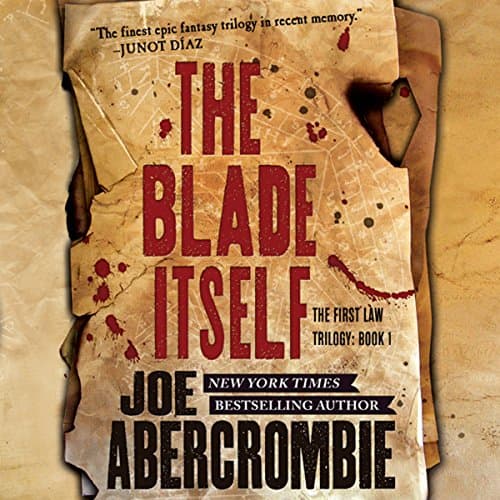
The strongest picks across this section. The Blade Itself is the one we would start with, and the price shown is Amazon's at our last check.
#
Title
Best for
Narrator
Price
1
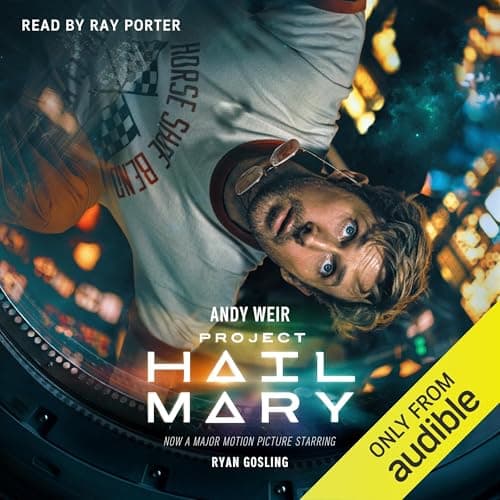
Project Hail Mary
Andy Weir · read by Ray Porter
A lone engineer wakes up on a spacecraft with amnesia and a problem that will end the planet if he cannot solve it. The best first audiobook we can point anyone at.
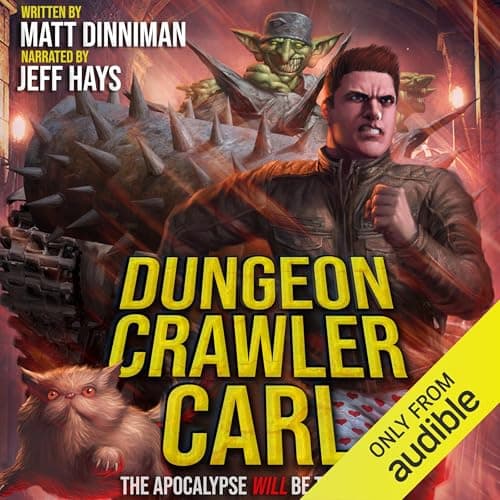
Earth is demolished for an intergalactic dungeon game show, and the only survivors are a man in his boxers and his ex-girlfriend's cat. The funniest book in the genre and the best-performed.
Experienced audiobook listeners pick narrators the way other people pick directors. They will follow a voice into a genre they do not care about, and they will skip a book they wanted because the wrong person is reading it. If you have ever abandoned an audiobook in the first twenty minutes without being able to say why, this is usually the reason.
What a narrator is actually doing
Reading aloud well is a performance skill, and the parts that matter are not the obvious ones:
Pace. The single most common failure. Too fast and you lose the sentences; too slow and you reach for the speed control, which costs you the performance anyway.
Character separation. A good narrator makes six people in a room distinguishable without doing six accents. A weak one does accents instead, badly, and you spend the book wincing.
Restraint. The hardest part. Jane Eyre does not need to be acted at you, and a narrator who sells every line equally has nothing left for the lines that matter.
Getting out of the way. On The Dutch House, Tom Hanks does almost nothing showy, which is precisely the right decision and the reason that performance is so well regarded.
Where the credits on this site come from
Every narrator named anywhere on Novel & Narrator comes from the Amazon catalog record for the exact edition we link to — the publisher's own credit, not our memory and not a secondary list. That has two consequences worth stating plainly.
First, when a book has several audio editions, the credit matches the one we link. Harry Potter and the Sorcerer's Stone now has a full-cast Audible production alongside the long-standing single-narrator version, and those are genuinely different products; we name whichever we are pointing you at.
Second, what we publish about a narrator is the credit and our opinion of the performance. Biographies, award counts and career totals need a verified source, and when one exists for a narrator the detail follows. Every page here is built on things we can show you.
The forms, and the title that shows each one working.
How to sample a narrator properly
Ten minutes of sample is worth more than any review, including ours. But sample the right ten minutes: the opening of an audiobook is often the narrator at their most careful, and tells you less than a dialogue scene. If the retailer lets you choose a point, jump to a conversation. What you are listening for is whether you can tell the speakers apart and whether the pace suits you — not whether the voice is pleasant.
One more test, and it is the reliable one: if you find yourself thinking about the narrator rather than the story after twenty minutes, something is wrong. Good narration is noticeable at the start and invisible by the end.
Browse by performance
Start with the best narrators overall, or jump to the genre specialists. Every page names the credits and shows live Amazon prices.
Every page in this section
All narrators pages
9 pages, each with the picks named, the narrator credited and the current Amazon price.
There is no single answer, and anyone claiming one is guessing. The names that come up most often with the most consistent praise are Julia Whelan in contemporary fiction and romance, Steven Pacey in fantasy, Jim Dale and Andy Serkis for classics, Jeff Hays in LitRPG, and Bahni Turpin across literary fiction. Best audiobook narrators works through what each is good at.
Are full-cast audiobooks better?+
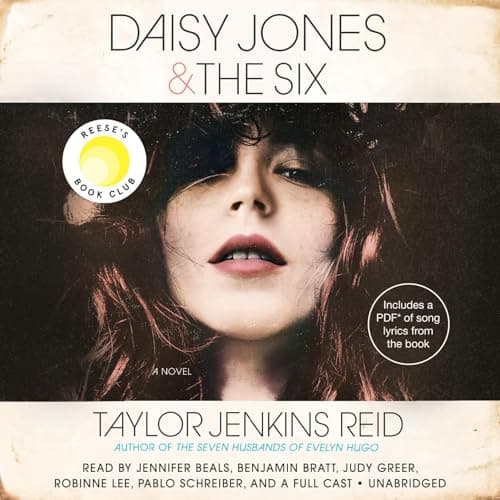
Better for books written as transcript, letters, or multiple competing accounts — Daisy Jones & The Six and World War Z are both significantly better as audio than print because of it. Worse for a single-viewpoint literary novel, where switching voices breaks the one consciousness the book is built around.
Should I pick an audiobook read by the author?+
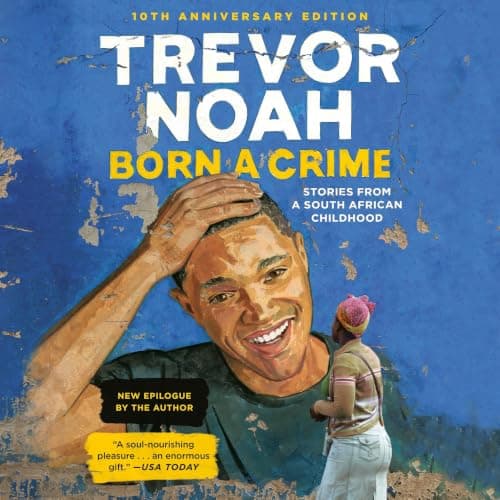
For memoir and essays, usually yes — the voice is part of the information. For fiction, usually no: writing and performing are different skills and most novelists are not performers. The exceptions are authors who are also performers, which is why Trevor Noah and Travis Baldree work and many others do not.
Can I tell if a narrator is good before buying?+
Yes, and you should. Every listing has a free sample. Skip to a dialogue section if you can, listen for ten minutes, and stop if the pace or the character work bothers you. A credit is refundable on most platforms and a bad narrator will not improve over fourteen hours.
Why do some books have several different narrators?+
Rights and re-recordings. A publisher may commission a new production years later, a different territory may use a different reader, or a dramatized adaptation may exist alongside the straight reading. They are separate products with separate ASINs, which is why every pick here names the narrator for the specific edition we link to.